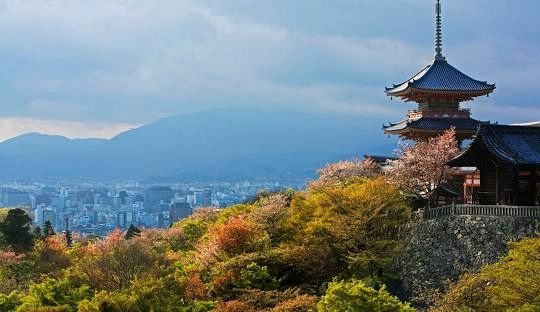
Kyoto, the former imperial capital of Japan, is a city where history, tradition, and natural beauty seamlessly converge. Walking through Kyoto feels like stepping into a living museum, with its ancient temples, serene gardens, and preserved historic streets that tell stories spanning over a thousand years. Unlike Japan’s bustling modern cities, Kyoto retains a sense of timelessness, inviting travelers to slow down, reflect, and appreciate its culture in its purest form.
Start your exploration at Kinkaku-ji, the Golden Pavilion. This Zen Buddhist temple, covered in shimmering gold leaf, is set beside a reflective pond that mirrors its breathtaking architecture. Every season offers a unique spectacle—cherry blossoms in spring, vibrant greenery in summer, fiery red leaves in autumn, and a tranquil snowy landscape in winter. Kinkaku-ji’s beauty is not only visual but spiritual; the temple’s design embodies harmony and balance, reflecting the principles of Zen Buddhism.
Next, wander through the Arashiyama Bamboo Grove, an otherworldly forest of towering bamboo stalks that sway gracefully with the wind. The path through the grove evokes a sense of calm and wonder, as sunlight filters through the dense bamboo canopy, creating patterns of light and shadow. Nearby, the Tenryu-ji Temple, a UNESCO World Heritage Site, offers meticulously landscaped gardens that blend natural scenery with human artistry.
Kyoto is also home to countless Shinto shrines, including the famous Fushimi Inari Taisha, renowned for its thousands of vermilion torii gates winding through forested mountains. A hike along the torii-covered pathways allows travelers to experience both physical activity and spiritual reflection. Along the way, small tea houses and local vendors provide opportunities to rest, taste traditional sweets, and absorb the serene surroundings.
Cultural experiences extend beyond architecture. Kyoto is the center of traditional arts such as tea ceremonies, ikebana (flower arranging), calligraphy, and kimono wearing. Participating in a tea ceremony offers insight into Japanese values of mindfulness, simplicity, and hospitality. The precision of every gesture, the aroma of tea, and the quiet ambiance combine to create a profound sensory experience.
For history enthusiasts, neighborhoods like Gion reveal the life of geisha culture. Strolling its narrow streets in the evening, you may catch glimpses of geishas moving gracefully between appointments. Traditional wooden machiya houses and lantern-lit streets transport visitors to an era of elegance and refinement. Kyoto’s markets, such as Nishiki Market, provide a sensory feast, where you can sample local delicacies like yuba (tofu skin), pickled vegetables, matcha sweets, and freshly prepared sushi.
Kyoto’s appeal also lies in its seasonal festivals. The Gion Matsuri, held every July, showcases traditional floats, music, and processions that celebrate Kyoto’s rich history. In autumn, Momiji-gari, the appreciation of fall leaves, attracts visitors to temples and gardens adorned in red and gold foliage. Spring brings the iconic cherry blossoms, drawing crowds to Maruyama Park and the Philosopher’s Path, where blooms create a breathtaking tunnel of pink petals.
Accommodations in Kyoto range from traditional ryokans, where guests sleep on tatami mats and enjoy kaiseki meals, to modern hotels with panoramic city views. Staying in a ryokan allows travelers to experience authentic Japanese hospitality, complete with hot spring baths, seasonal dishes, and serene interiors designed for contemplation and rest.
Kyoto’s charm is not only in its landmarks but in its ability to offer a journey of discovery at every turn. Hidden gardens, small temples, quiet backstreets, and local shops reward curious travelers with experiences that feel personal and intimate. The city encourages mindful exploration, where every step, taste, and view carries meaning and beauty.
Whether your interest lies in history, spirituality, art, or cuisine, Kyoto presents a complete tapestry of Japanese culture. By immersing yourself in its temples, gardens, traditional neighborhoods, and cultural practices, you gain a deeper understanding of Japan’s heritage, making your journey unforgettable. Kyoto is not just a destination; it is an invitation to slow down, observe, and connect with the essence of Japan’s past and present.